
The Future of Real Estate Business: Trends and Predictions
The real estate business is on the brink of a transformative era. With technological advancements, changing demographics, and evolving consumer preferences, the landscape of real estate is set to undergo significant shifts. In this article, we will explore the emerging trends and predictions shaping the future of the real estate business, highlighting the key factors that will drive this industry forward.

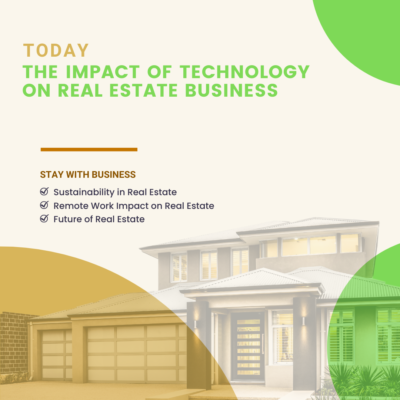
The Impact of Technology on Real Estate Business
Technology has always been a driving force behind innovation, and the real estate business is no exception. The integration of advanced technologies is revolutionizing how properties are bought, sold, and managed. Virtual reality (VR) and augmented reality (AR) are becoming crucial tools in the industry, allowing potential buyers to experience properties remotely. These technologies provide immersive tours and realistic views of properties, making the buying process more convenient and efficient.
Artificial intelligence (AI) is another game-changer in the real estate business. AI-powered algorithms can analyze vast amounts of data to provide valuable insights into market trends, property values, and customer preferences. This allows real estate agents and investors to make informed decisions and develop strategies that align with market demands.
The rise of blockchain technology is also set to impact the real estate business significantly. Blockchain offers a secure and transparent way to conduct transactions, reducing the risk of fraud and ensuring that all parties involved have access to the same information. Smart contracts, enabled by blockchain, can automate and streamline various processes, from property transfers to rental agreements, making transactions faster and more efficient.
Sustainability and Green Buildings in Real Estate Business
Sustainability is becoming a key consideration in the real estate business. As awareness of environmental issues grows, consumers are increasingly seeking eco-friendly properties. Green buildings, designed with energy efficiency and environmental impact in mind, are becoming more popular. These buildings not only reduce carbon footprints but also offer long-term cost savings through lower energy bills.
The future of the real estate business will see a greater emphasis on sustainable practices. Developers will prioritize the use of renewable materials, energy-efficient systems, and sustainable construction methods. Governments and regulatory bodies are also likely to introduce stricter building codes and incentives to promote green building practices.
Urbanization and Changing Demographics
Urbanization is a major trend influencing the real estate business. As more people move to cities in search of better opportunities, the demand for urban housing is increasing. This trend is particularly evident in developing countries, where rapid urbanization is creating a surge in demand for residential and commercial properties.
Changing demographics are also shaping the future of the real estate business. The aging population is driving the need for senior housing and assisted living facilities. At the same time, millennials and Generation Z are entering the housing market with different preferences and priorities. These younger generations prioritize flexibility, affordability, and proximity to amenities, leading to a rise in demand for rental properties and co-living spaces.
The Rise of PropTech in Real Estate Business
PropTech, or property technology, is transforming the real estate business. Startups and established companies alike are developing innovative solutions to enhance the efficiency and effectiveness of real estate operations. From property management software to online marketplaces, PropTech is streamlining processes and improving the overall customer experience.
One significant development in PropTech is the advent of online real estate platforms. These platforms allow buyers and sellers to connect directly, bypassing traditional intermediaries. This not only reduces costs but also speeds up transactions. Additionally, these platforms provide comprehensive data and analytics, helping users make informed decisions.
The Future of Work and Its Impact on Real Estate Business
The future of work is another factor that will influence the real estate business. The COVID-19 pandemic has accelerated the adoption of remote work, and many companies are now considering long-term hybrid work models. This shift is impacting the demand for office spaces, with a growing preference for flexible, coworking spaces over traditional office buildings.
Remote work is also affecting residential real estate. With more people working from home, the demand for larger homes with dedicated office spaces is increasing. Suburban and rural areas are becoming more attractive as people seek more space and a better work-life balance.

The Role of Big Data in Real Estate Business
Big data is playing an increasingly important role in the real estate business. By analyzing large datasets, real estate professionals can gain insights into market trends, property values, and consumer behavior. This data-driven approach allows for more accurate pricing, better investment decisions, and enhanced marketing strategies.
Predictive analytics, powered by big data, is helping real estate companies anticipate market changes and identify emerging opportunities. This technology can analyze patterns and trends to predict future demand and supply, enabling companies to stay ahead of the competition.
Real Estate Business
Technology in Real Estate
Sustainability in Real Estate
Urbanization Trends
PropTech
Remote Work Impact on Real Estate
Big Data in Real Estate
Future of Real Estate
Green Buildings
Real Estate Market Trends
Smart Contracts
Virtual Reality in Real Estate
Artificial Intelligence in Real Estate
Changing Demographics
Online Real Estate Platforms
Conclusion
The future of the real estate business is set to be dynamic and transformative. The integration of advanced technologies, a focus on sustainability, and changing demographics are all shaping the industry’s evolution. As urbanization continues and PropTech innovations emerge, the real estate business will need to adapt to new trends and consumer preferences.
Technology will continue to drive innovation in the real estate business. Technology will revolutionize how properties are marketed and sold. Technology will enhance the efficiency of property management. Technology will provide valuable insights through big data analytics. Technology will enable more secure and transparent transactions with blockchain. Technology will create more immersive property viewing experiences with VR and AR.
In this rapidly changing landscape, real estate professionals must stay informed about the latest trends and technologies. They need to be agile and ready to adapt to new market conditions. By embracing innovation and focusing on customer needs, the real estate business can thrive in the future. The future of real estate is not just about buildings; it’s about creating spaces that meet the evolving needs of people and communities.